
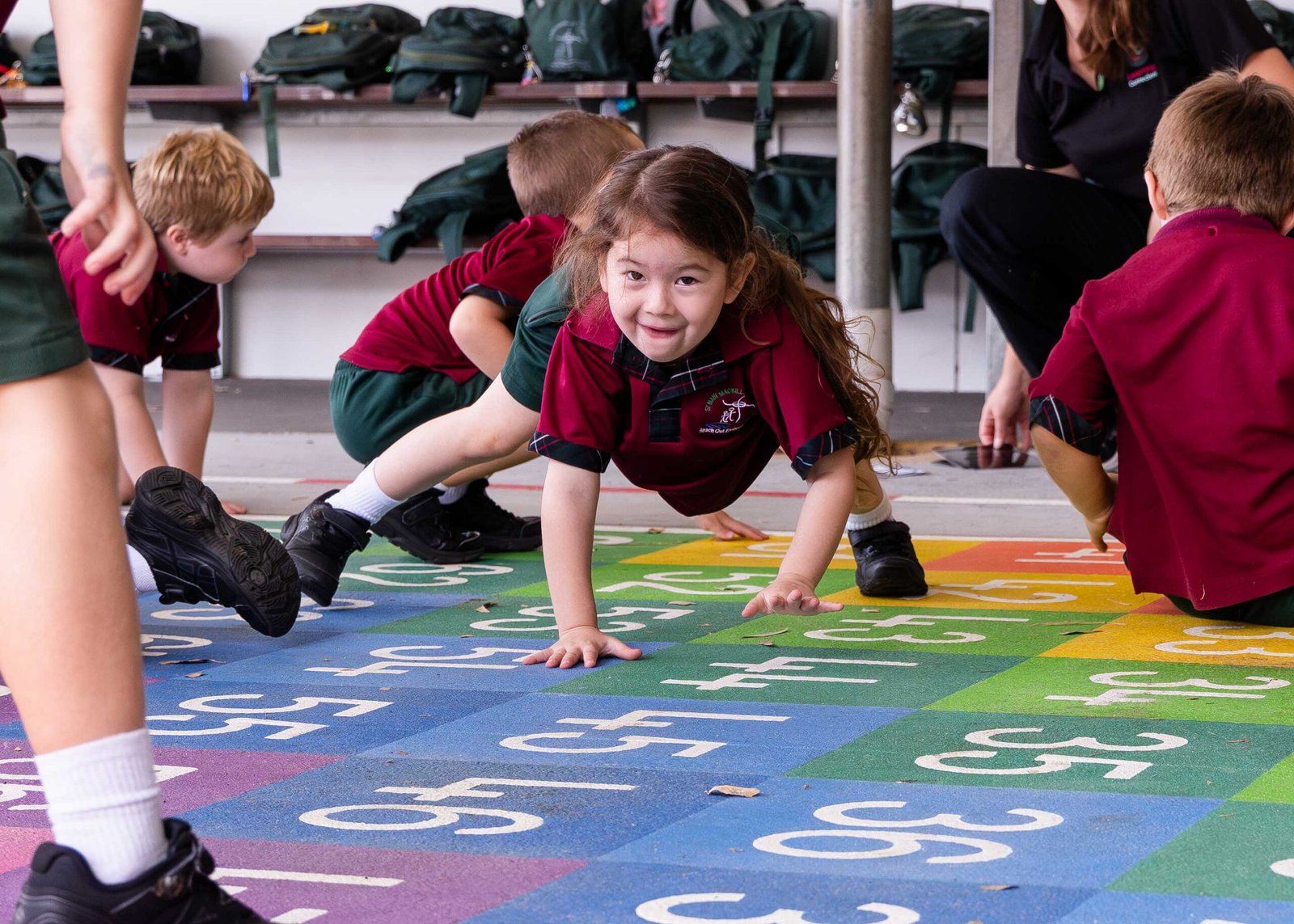
Wriggly, Distracted and Constantly Fidgeting?
Can't Sit Still? How Movement Improves Attention, Learning & Self-Regulation
Read articleCall us: 0403 582 669
Email: info@learningconnections.com.au
Can't Sit Still? How Movement Improves Attention, Learning & Self-Regulation
Read article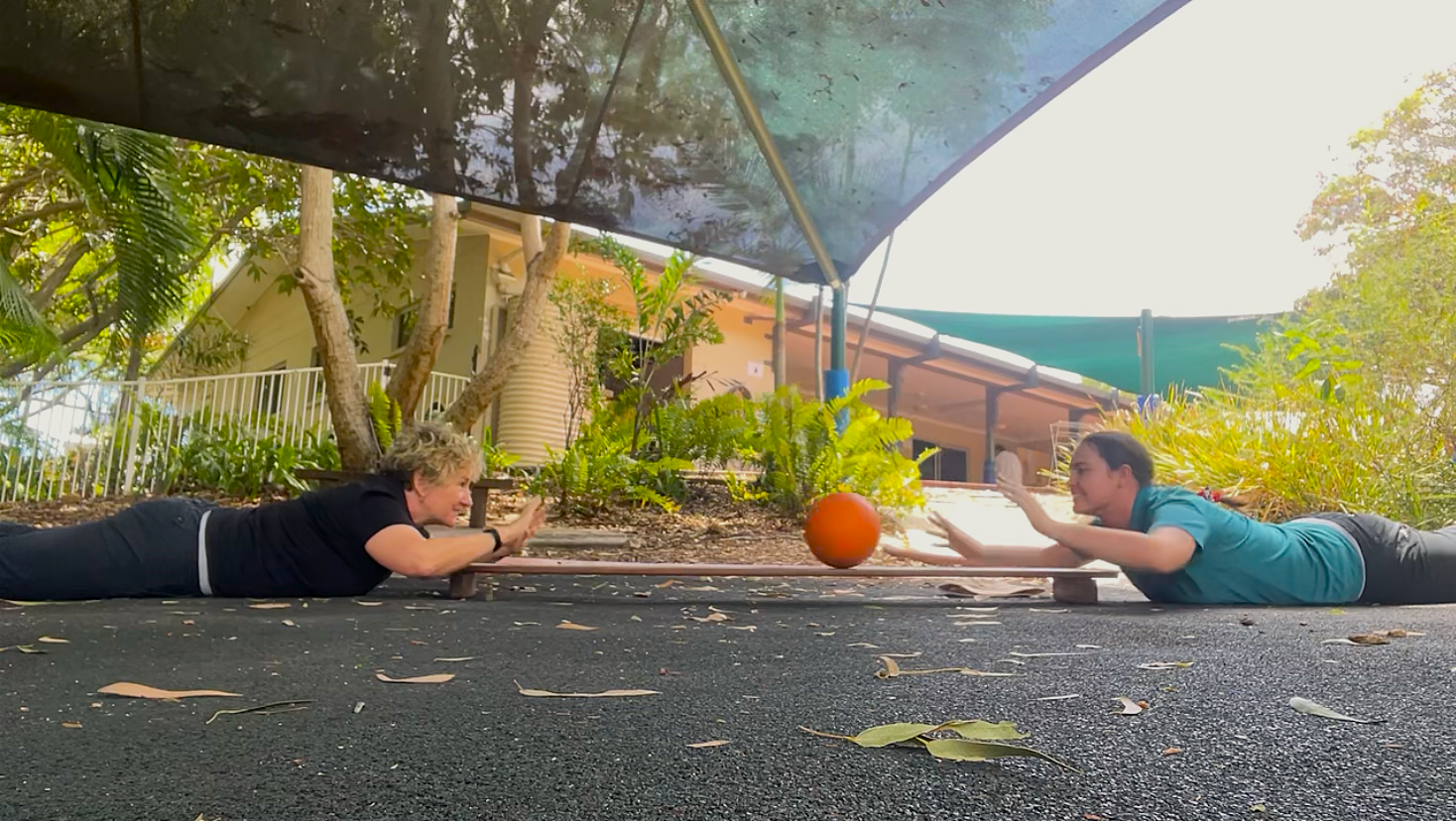
Meet children’s sensory needs outside so they won’t need to seek them indoors. The Body Teaches the Brain The brain does not learn by itself — the body learns too. Movement is a child’s first language. The correct sequence of physical development is essential to cognitive development while having a positive flow-on effect with school…
Read article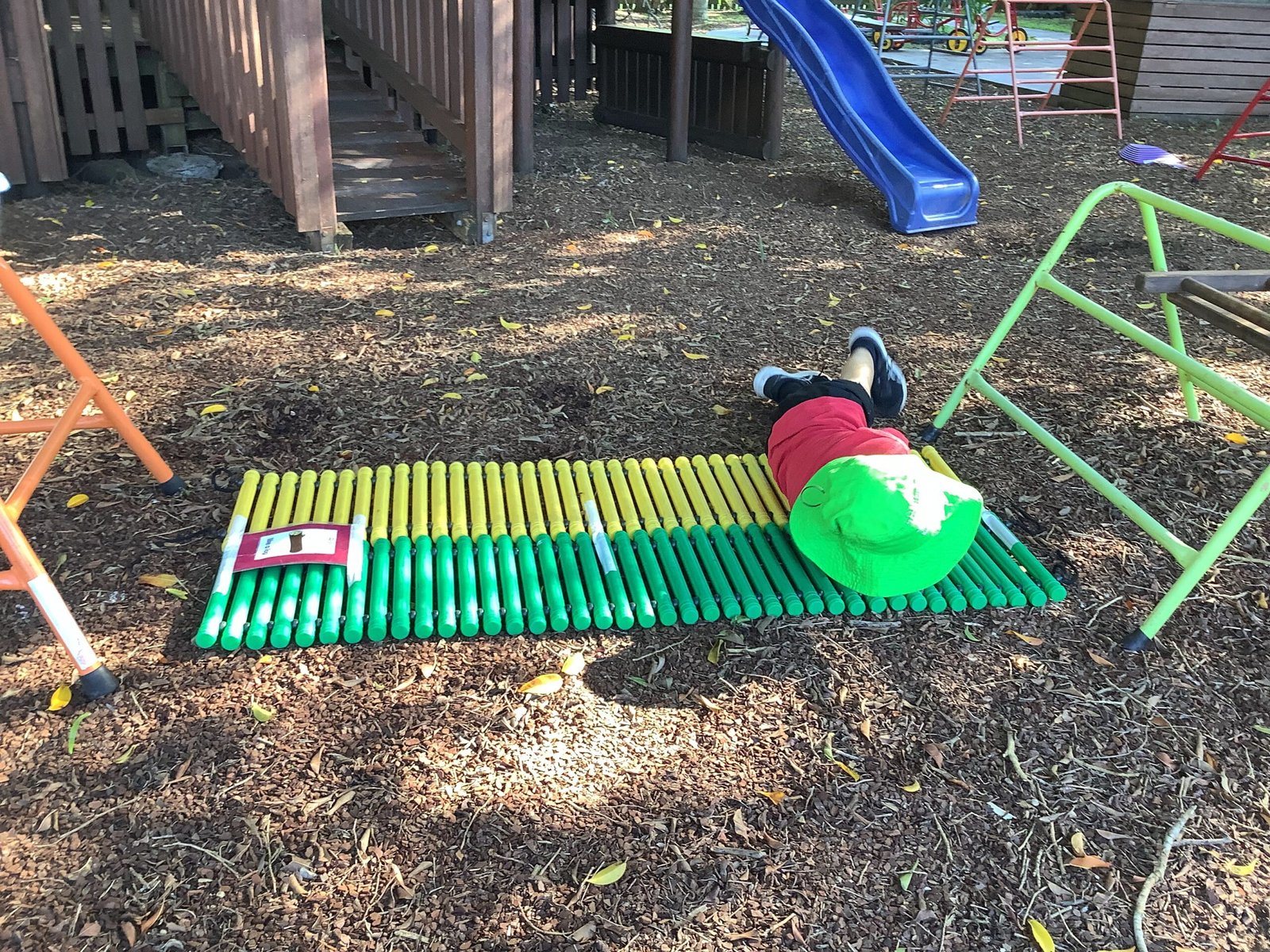
How Lady Gowrie Bucasia Community Kindergarten Helped a “Zoomy” Boy Settle, Focus, and Thrive At Lady Gowrie Bucasia Community Kindergarten, Community Director Dorisina Penola has spent over 30 years helping children learn through play. But in recent years, like many educators, she noticed more children starting Kindy with challenges in self-regulation, attention, and focus—skills they need to succeed…
Read article
Learning and memory are made possible by neuroplasticity.
Read article
A Transformation Through Movement and Learning - From a distracted, isolated little boy to a confident, kind leader.
Read article
Brain regions responsible for motor control interact with regions involved in self-regulation – movement programs therefore provide strong support for the development of self-regulation skills. What is self-regulation? Self-regulation is our ability to control our thoughts, emotions and behaviours in response to the demands of the environment. It’s the ability to return to a balanced,…
Read article
In a recent article in The Conversation Kate Highfield highlights the importance of looking at the quality as much as the quantity of screen usage by children. The Australian 24-hour movement guidelines (REF) recommends the following quantities: Highfield argues that the term “screen-time” may actually be unhelpful, citing research finding that many Australian parents find these “time-based” recommendations difficult to comply…
Read article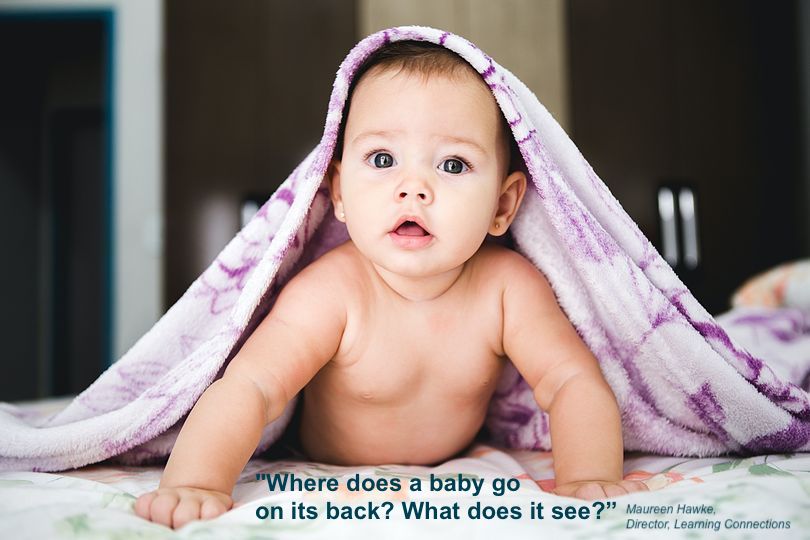
A recently published Canadian study has underlined the importance of tummy time for the development of gross motor skills in infants. 1 The study was undertaken by Valerie Carson and her colleagues with a group of 411 parents and their infants in Edmonton, Canada. The study method involved parents recording at ages 2,4 and 6 months the average time…
Read article
Make the still time better … with these simple movement activities. It’s well established that young children can’t and shouldn’t sit still for long periods of time – children need to move. The benefits of regular brief movement breaks for children in the classroom include: Improved brain elasticity, which allows children to learn more easily,…
Read article
How do we help children prepare for the demands of the classroom? The 2018 Australian Early Development Census (AEDC) found that 20% of Australian children entering school are developmentally vulnerable in at least one of the five early childhood development domains – physical health, social competence, emotional maturity, language and cognitive skills, or communication and…
Read article