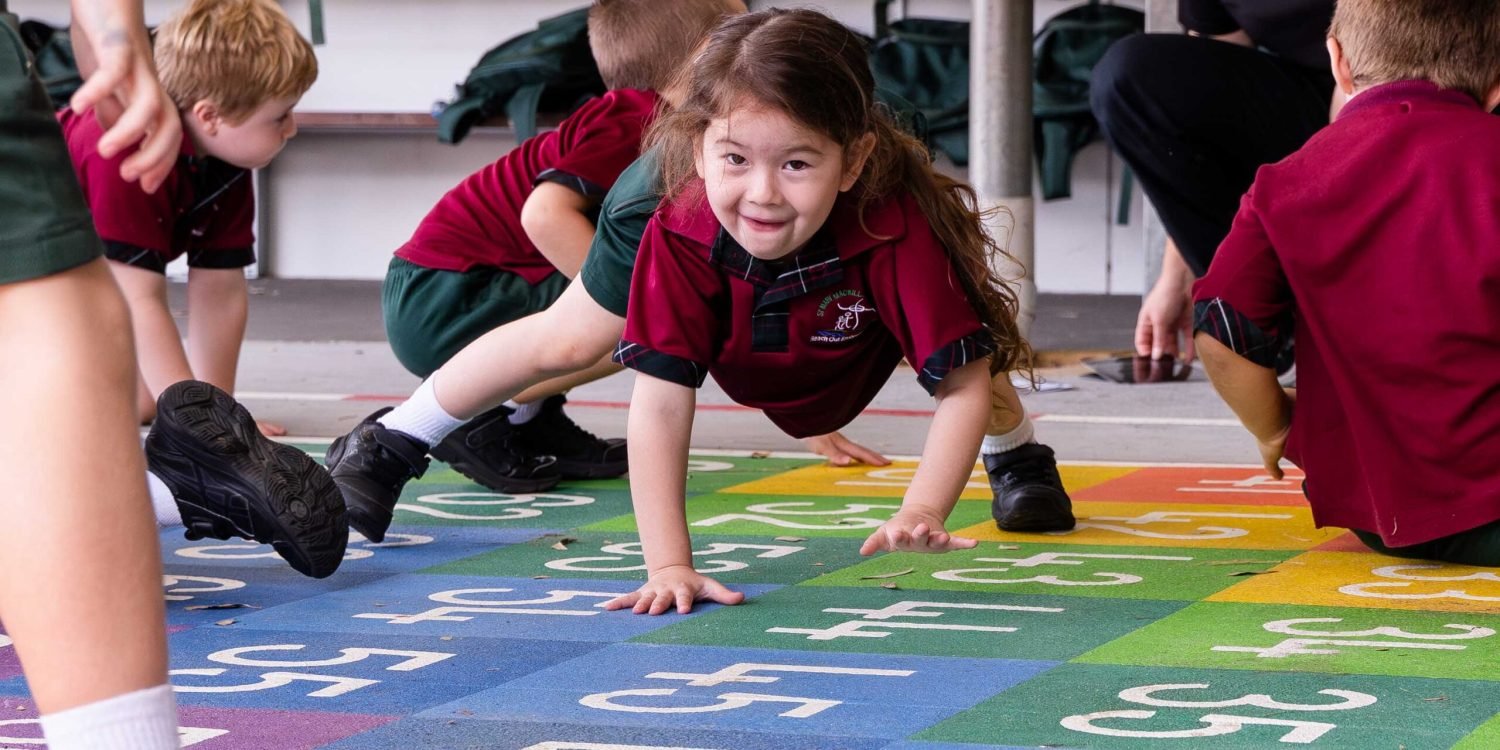
The Science Behind Why Children Need to Move
How Exercise Helps Children Learn
“Children aren’t designed to sit still all day. They are designed to move, explore and learn through movement.”
As educators, we spend a great deal of time thinking about how to help children learn. We carefully plan engaging lessons, create welcoming learning environments and build strong relationships with our students.
But there is another powerful learning tool that is often overlooked—movement.
Emerging neuroscience research is showing us that movement isn’t simply a break from learning. It is actually one of the best ways to prepare the brain for learning.
The Brain Loves Movement
Learning doesn’t happen in isolation.
Children’s ability to learn is influenced by many factors, including:
- Physical health
- Emotional wellbeing
- Social connection
- Motivation
- Joy and engagement
Unfortunately, many children now spend much of their school day sitting at desks. While there are times when sitting is necessary, young children are naturally wired to move.
When we encourage regular movement throughout the day, we are supporting not only children’s bodies but also their developing brains.
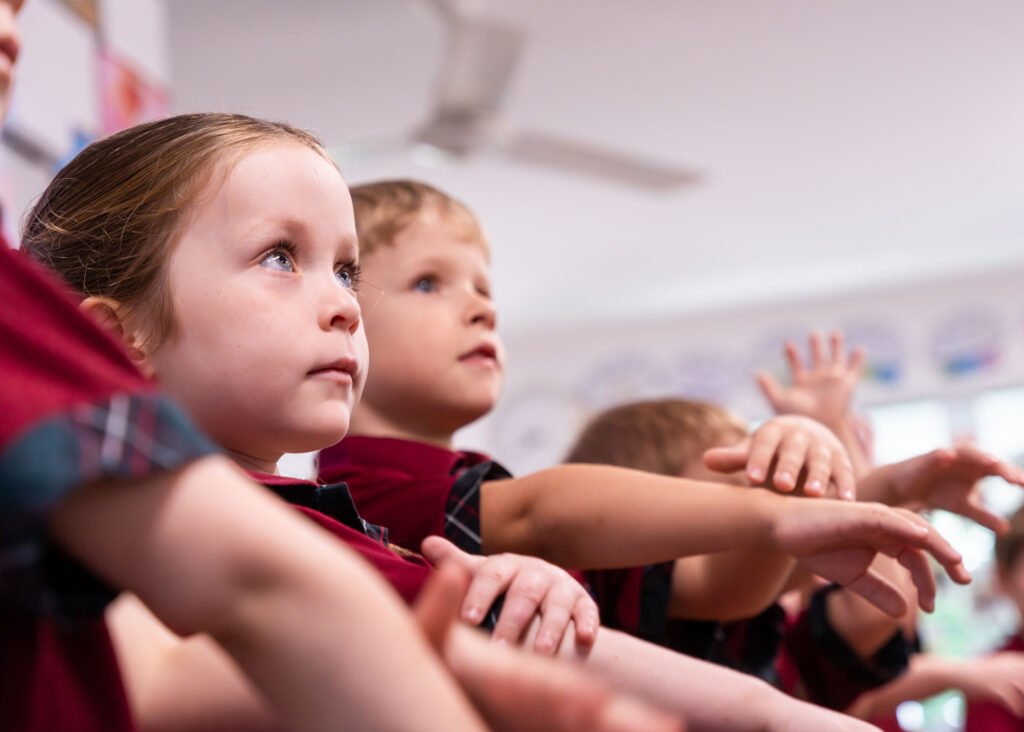
Exercise Helps the Brain Grow
One of the most exciting discoveries from neuroscience is the role of a protein called Brain-Derived Neurotrophic Factor (BDNF).
Fertiliser for the brain.
Think of BDNF as fertiliser for the brain.
It helps brain cells:
- Grow
- Form new connections
- Strengthen learning pathways
- Improve memory
Research has shown that exercise dramatically increases the amount of BDNF released by the brain, helping children become more ready to learn.
Movement Releases Powerful Brain Chemicals
Exercise also increases several important brain chemicals that support learning.
These include:
- Dopamine, which improves attention, motivation and persistence.
- Norepinephrine, which helps children focus and process information.
- Serotonin, which improves mood and supports emotional regulation.
Together, these chemicals prepare the brain to concentrate, remember information and stay engaged in learning.
Better Memory and Stronger Thinking Skills
Research consistently shows that physically active children perform better on tasks involving:
- Attention
- Memory
- Planning
- Problem solving
- Self-control
These skills are known as executive functions, and they play a vital role in classroom success.
Exercise also supports the hippocampus—the part of the brain responsible for learning and memory—helping children retain new information more effectively.
Movement Supports Self-Regulation
Many educators see children who struggle to:
- Sit still
- Manage their emotions
- Ignore distractions
- Stay focused
Movement can help.
Research has found that regular physical activity improves children’s ability to regulate their behaviour, manage distractions and control impulsive responses—all essential skills for successful learning.
It Doesn’t Take Hours
The good news is that children don’t need long fitness sessions to experience the benefits.
Research suggests that as little as 20 minutes of moderate physical activity can improve attention, concentration and academic performance.
Even short movement breaks throughout the day can make a real difference.
Easy Ways to Add Movement into Your Day
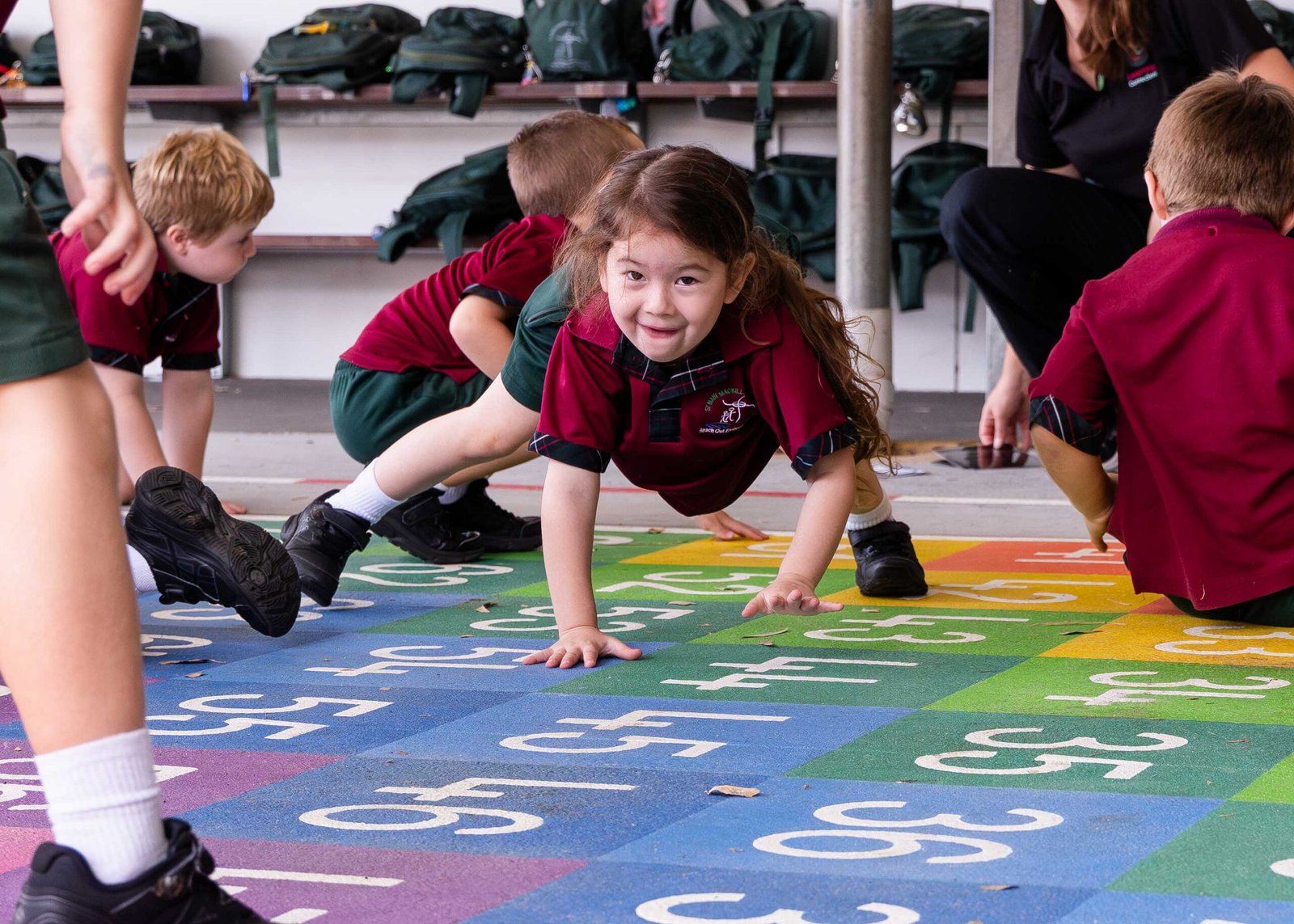
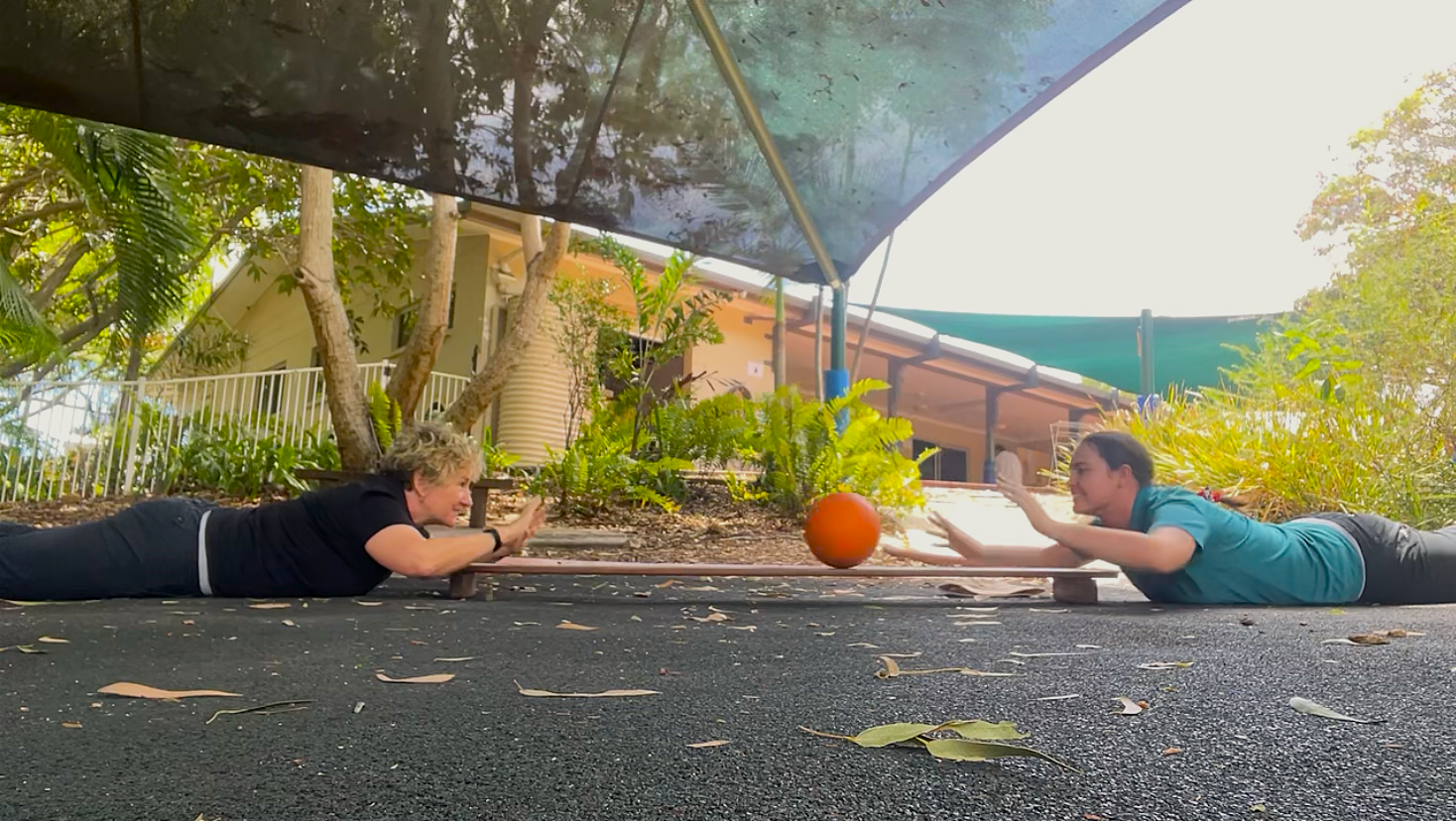
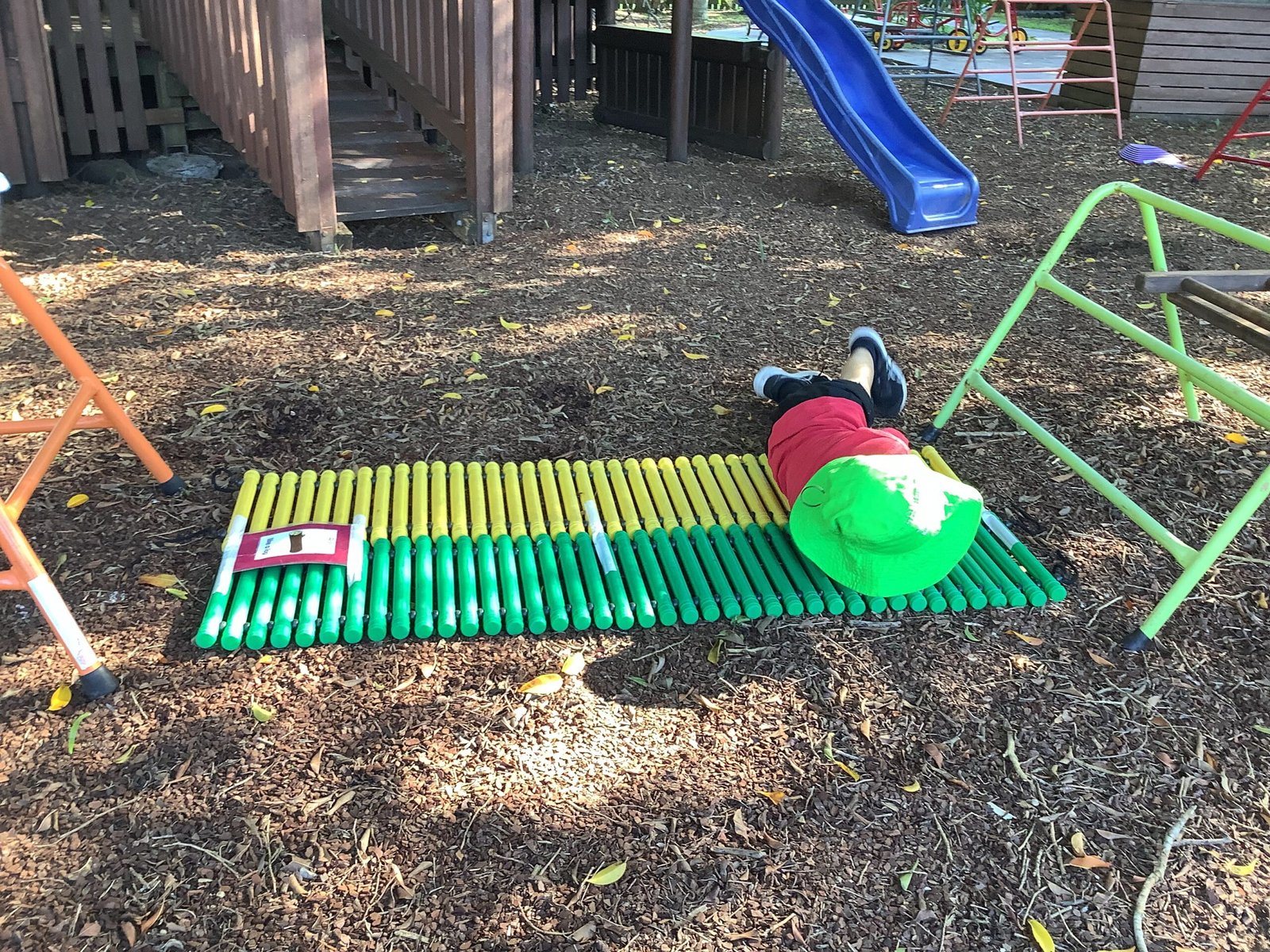
Movement doesn’t have to interrupt learning—it can become part of it.
Try simple activities such as:
- Star jumps
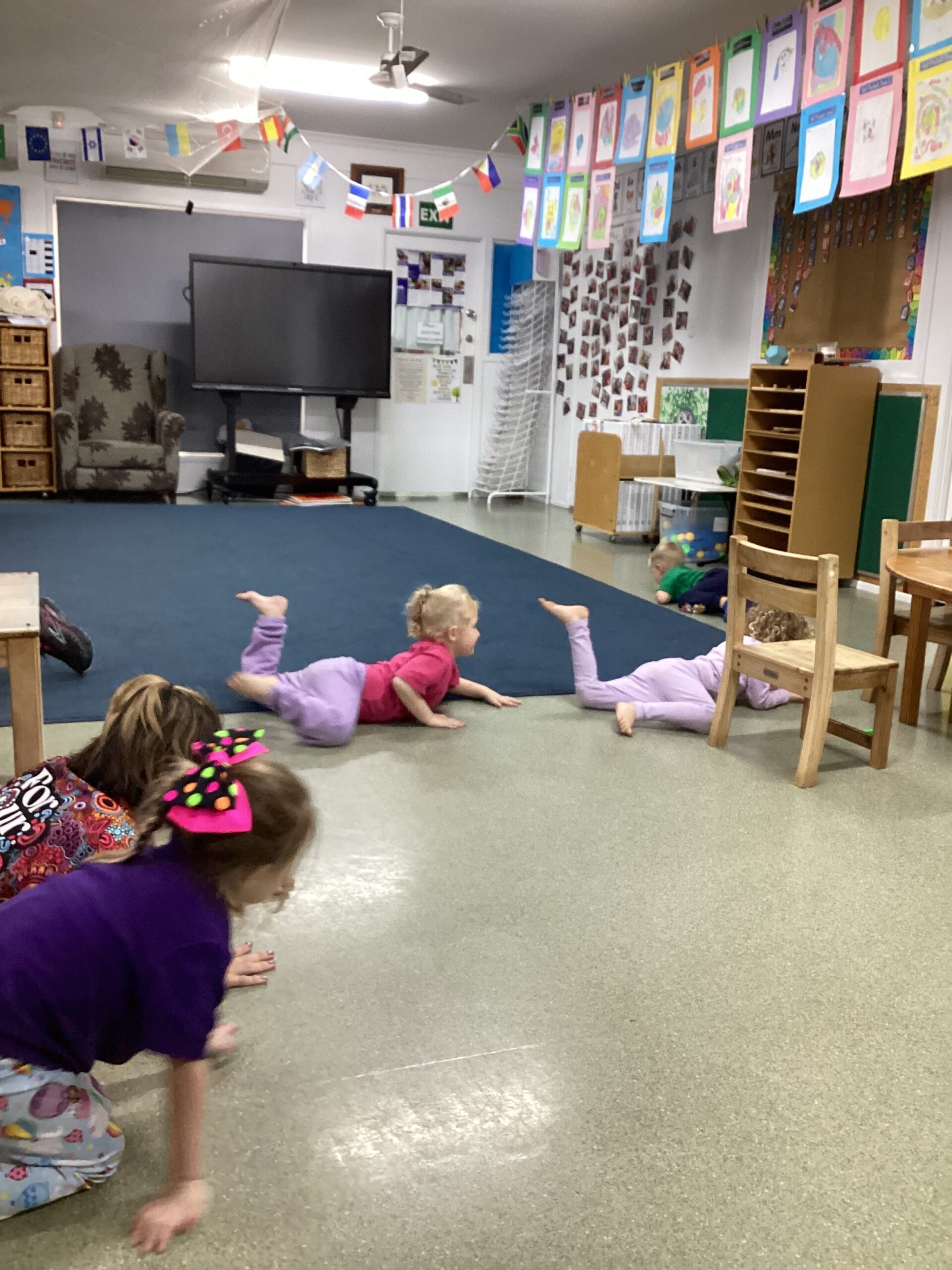
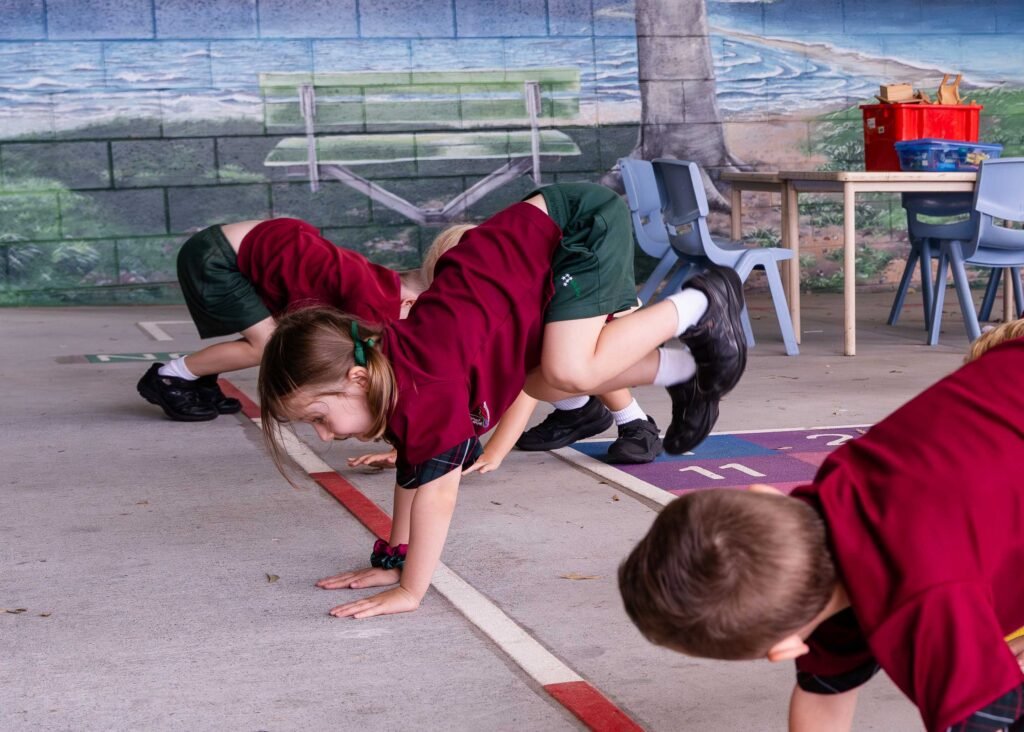
- Frog hops
- Running on the spot
- Marching
- Hopping
- Stretching
- Yoga
- Dance
- Brain breaks between lessons
These activities take only a few minutes but can help children return to learning, feeling calmer, more focused and ready to engage.
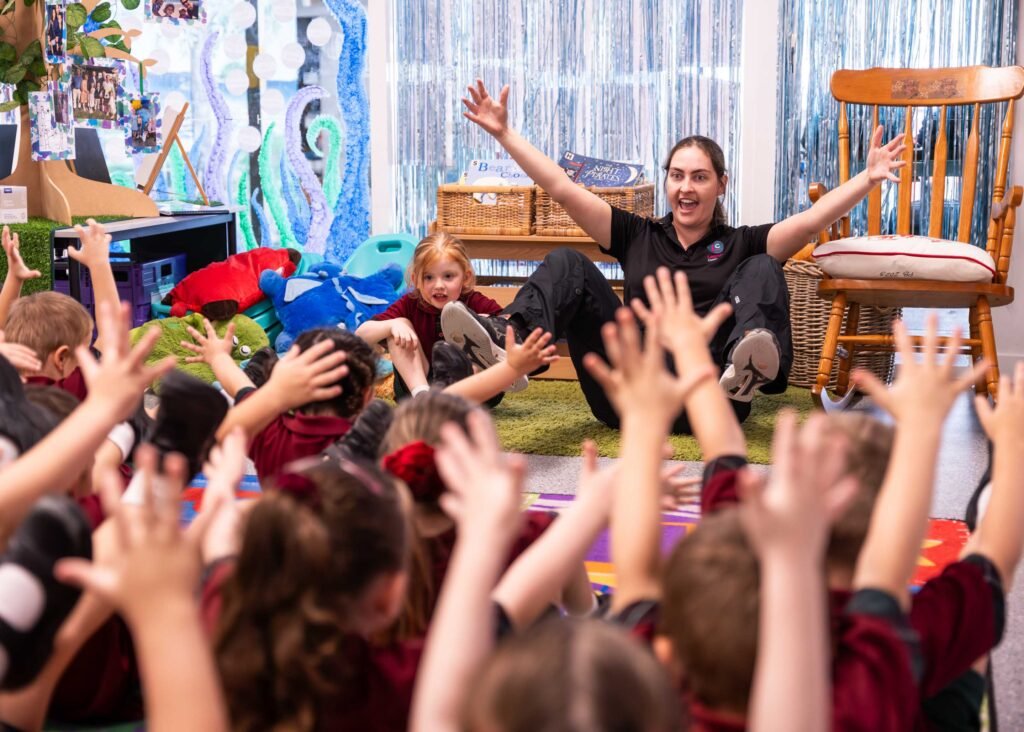
What Does This Mean for Educators?
Movement is far more than a way for children to burn off energy.
It is a powerful learning strategy that supports:
- Brain development
- Memory
- Attention
- Self-regulation
- Emotional wellbeing
- Academic achievement
- Social skills
When we build regular movement opportunities into the day, we aren’t taking time away from learning—we are creating the conditions that allow learning to happen.
As neuroscience continues to grow, one message is becoming increasingly clear:
Movement is not a distraction from learning. It is an essential part of learning.
By giving children regular opportunities to move, we are helping to build healthier brains, stronger learners and more successful classrooms.
Let’s get children moving—and watch learning flourish.
Ready to Help Children Learn Through Movement?
Contact Learning Connections today to discover how our movement programs can support your children, educators and learning community.
Dianne Boyd
M. 0414 264 758
E. dianne@learningconnections.com.au
References
Álvarez‑Bueno, C., Pesce, C., Cavero‑Redondo, I., Sánchez‑López, M., Martínez‑Hortelano, J. A., & Martínez‑Vizcaíno, V. (2017). The effect of physical activity interventions on children’s cognition and metacognition: A systematic review and meta‑analysis. Journal of the American Academy of Child & Adolescent Psychiatry, 56(9), 729–738.
Bartlett, P. F., & Blackmore, D. G. (2024, 10 July). UQ research reveals exercise brain boost can last for years. Queensland Brain Institute, The University of Queensland. https://qbi.uq.edu.au/article/2024/07/uq-research-reveals-exercise-brain-boost-can-last-years
Best, J. R. (2010). Effects of physical activity on children’s executive function: Contributions of experimental research on aerobic exercise. Developmental Review, 30(4), 331–351.
Budde, H., Voelcker‑Rehage, C., Pietraßyk‑Kendziorra, S., Ribeiro, P., & Tidow, G. (2008). Acute coordinative exercise improves attentional performance in adolescents. Neuroscience Letters, 441(2), 219–223.
Chang, Y. K., Labban, J. D., Gapin, J. I., & Etnier, J. L. (2012). The effects of acute exercise on cognitive performance: A meta‑analysis. Brain Research, 1453, 87–101.
Davis, C. L., Tomporowski, P. D., McDowell, J. E., Austin, B. P., Miller, P. H., Yanasak, N. E., & Naglieri, J. A. (2011). Exercise improves executive function and achievement and alters brain activation in overweight children: A randomized controlled trial. Health Psychology, 30(1), 91–98.
Donnelly, J. E., Hillman, C. H., Castelli, D., Etnier, J. L., Lee, S., Tomporowski, P., & Szabo‑Reed, A. N. (2016). Physical activity, fitness, cognitive function, and academic achievement in children: A systematic review. Medicine & Science in Sports & Exercise, 48(6), 1197–1222.
Erickson, K. I., Voss, M. W., Prakash, R. S., Basak, C., Szabo, A., Chaddock, L., & Kramer, A. F. (2011). Exercise training increases size of hippocampus and improves memory. Proceedings of the National Academy of Sciences of the United States of America, 108(7), 3017–3022.
Fedewa, A. L., & Ahn, S. (2011). The effects of physical activity and physical fitness on children’s achievement and cognitive outcomes: A meta‑analysis. Research Quarterly for Exercise and Sport, 82(3), 521–535.
Hannaford, C. (2005). Smart moves: Why learning is not all in your head. Great River Books.
Hillman, C. H., Pontifex, M. B., Raine, L. B., Castelli, D. M., Hall, E. E., & Kramer, A. F. (2009). The effect of acute treadmill walking on cognitive control and academic achievement in preadolescent children. Neuroscience, 159(3), 1044–1054.
Lubans, D., Richards, J., Hillman, C., Faulkner, G., Beauchamp, M., Nilsson, M., & Biddle, S. (2016). Physical activity for cognitive and mental health in youth: A systematic review of mechanisms. Pediatrics, 138(3), e20161642.
Mavilidi, M. F., Okely, A. D., Chandler, P., & Paas, F. (2016). Infusing physical activities into the classroom: Effects on preschool children’s geography learning. Mind, Brain, and Education, 10(4), 256–263.
Rasmussen, P., Brassard, P., Adser, H., Pedersen, M. V., Leick, L., Hart, E., Secher, N. H., Pedersen, B. K., & Pilegaard, H. (2009). Evidence for a release of brain‑derived neurotrophic factor from the brain during exercise. Experimental Physiology, 94, 1062–1069.
Ratey, J. J. (2008). Spark: The revolutionary new science of exercise and the brain. Little, Brown.
Saliba, B., Raine, L., Picchietti, D., & Hillman, C. H. (2013). Exercise improves behavioral, neurocognitive, and scholastic performance in children with attention‑deficit/hyperactivity disorder. Journal of Pediatrics, 162(3), 543–551.
Santos de Sousa Fernandes, M., et al. (2020). Effects of physical exercise on neuroplasticity and brain function: A systematic review in human and animal studies. Neural Plasticity, 2020, Article 8856621.
Singh, A. S., Saliasi, E., van den Berg, V., Uijtdewilligen, L., de Groot, R. H. M., Jolles, J., & Chinapaw, M. J. M. (2019). Effects of physical activity interventions on cognitive and academic performance in children and adolescents. British Journal of Sports Medicine, 53(10), 640–647.
Smith, J. C., Paulson, E. S., Cook, D. B., Verber, M. D., & Tian, Q. (2010). Detecting changes in human cerebral blood flow after acute exercise using arterial spin labeling. Journal of Neuroscience Methods, 191, 258–262.
Tomporowski, P. D., McCullick, B., Pendleton, D. M., & Pesce, C. (2015). Exercise and children’s cognition: The role of exercise characteristics and a place for metacognition. Journal of Sport and Health Science, 4(1), 47–55.