How Lady Gowrie Bucasia Community Kindergarten Helped a “Zoomy” Boy Settle, Focus, and Thrive
At Lady Gowrie Bucasia Community Kindergarten, Community Director Dorisina Penola has spent over 30 years helping children learn through play. But in recent years, like many educators, she noticed more children starting Kindy with challenges in self-regulation, attention, and focus—skills they need to succeed at school and beyond.
When Dorisina discovered the Learning Connections Early Years Program, she found a practical, evidence-based way to support every child’s development—without overloading educators or disrupting the daily routine.
A Seamless Start: Small Adjustments, Big Outcomes
When Dorisina first introduced Learning Connections into her kindergarten, she realised something powerful:
“It wasn’t much change at all, really. Once we thought about it.”
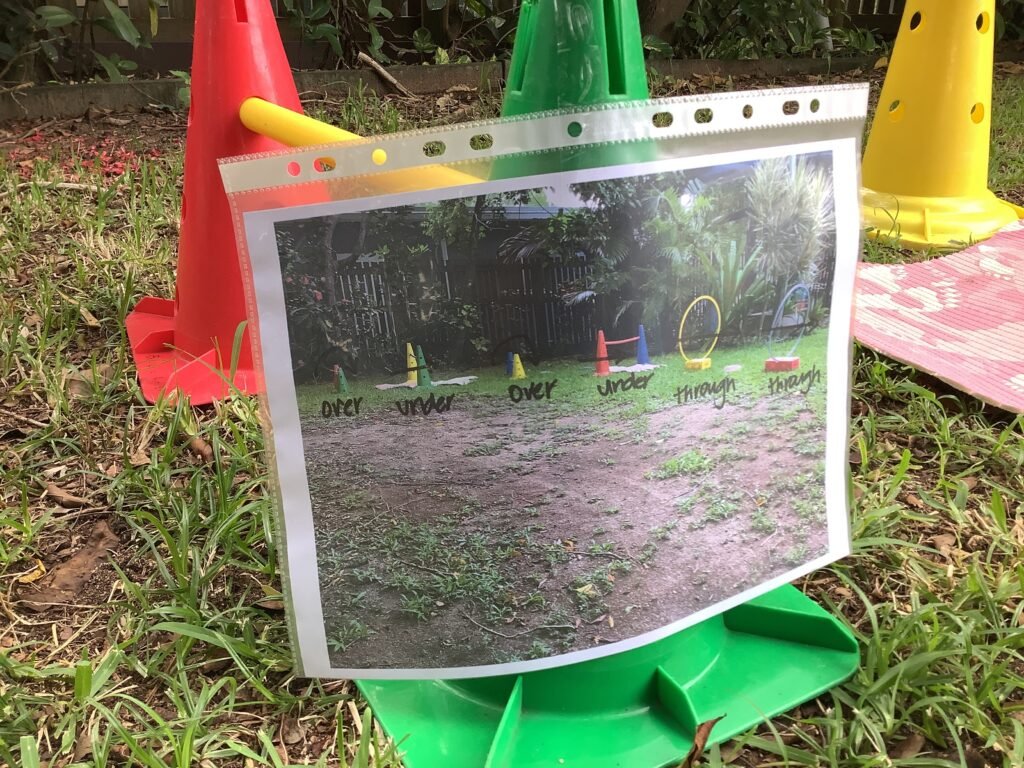
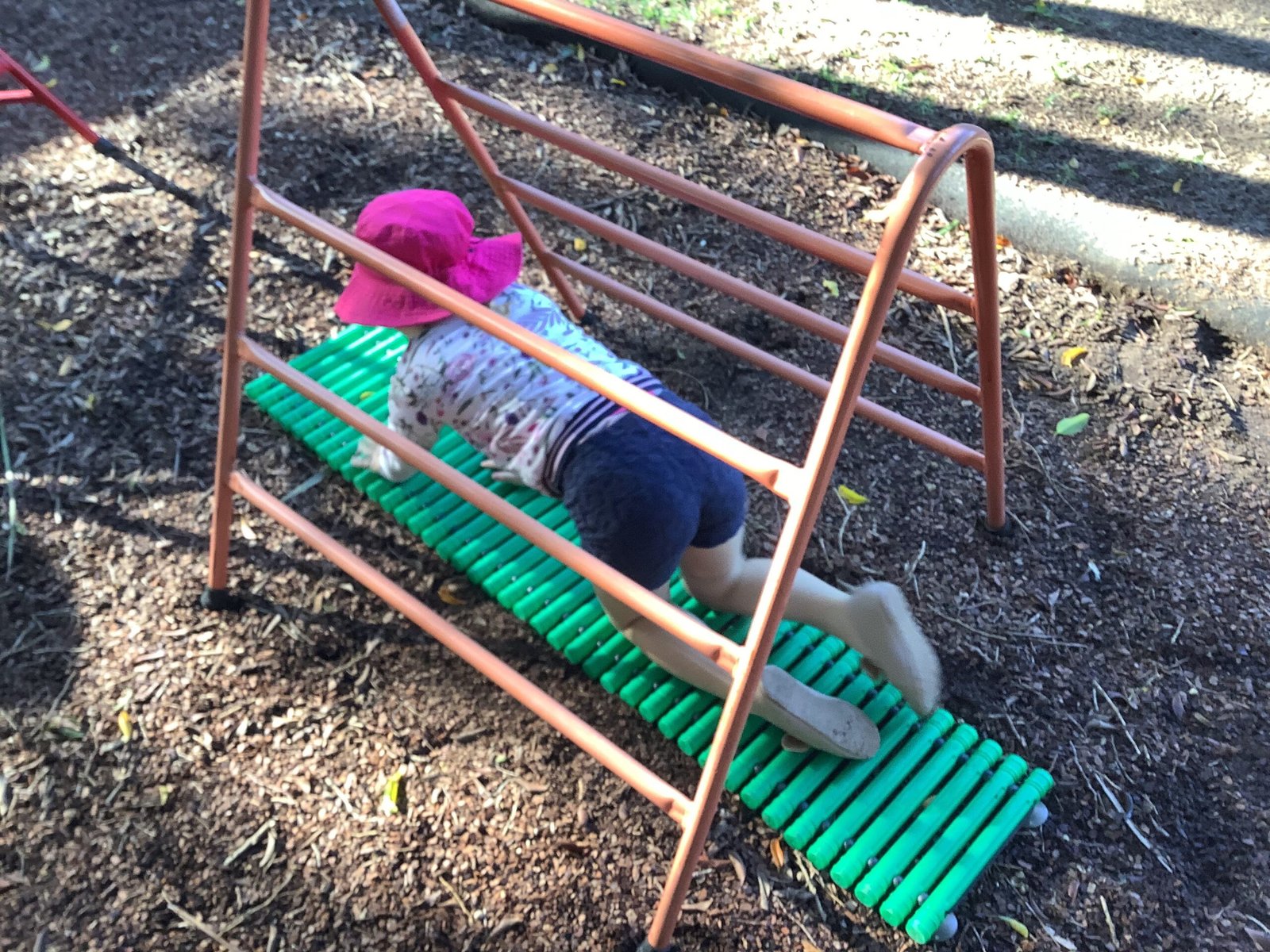
Her day already had a strong structure. Outdoor play began every morning, with climbing, obstacle courses, and different activity tables — games, small-world play, manipulatives, and drawing. The shift came not in replacing activities, but in seeing them through a Learning Connections lens.
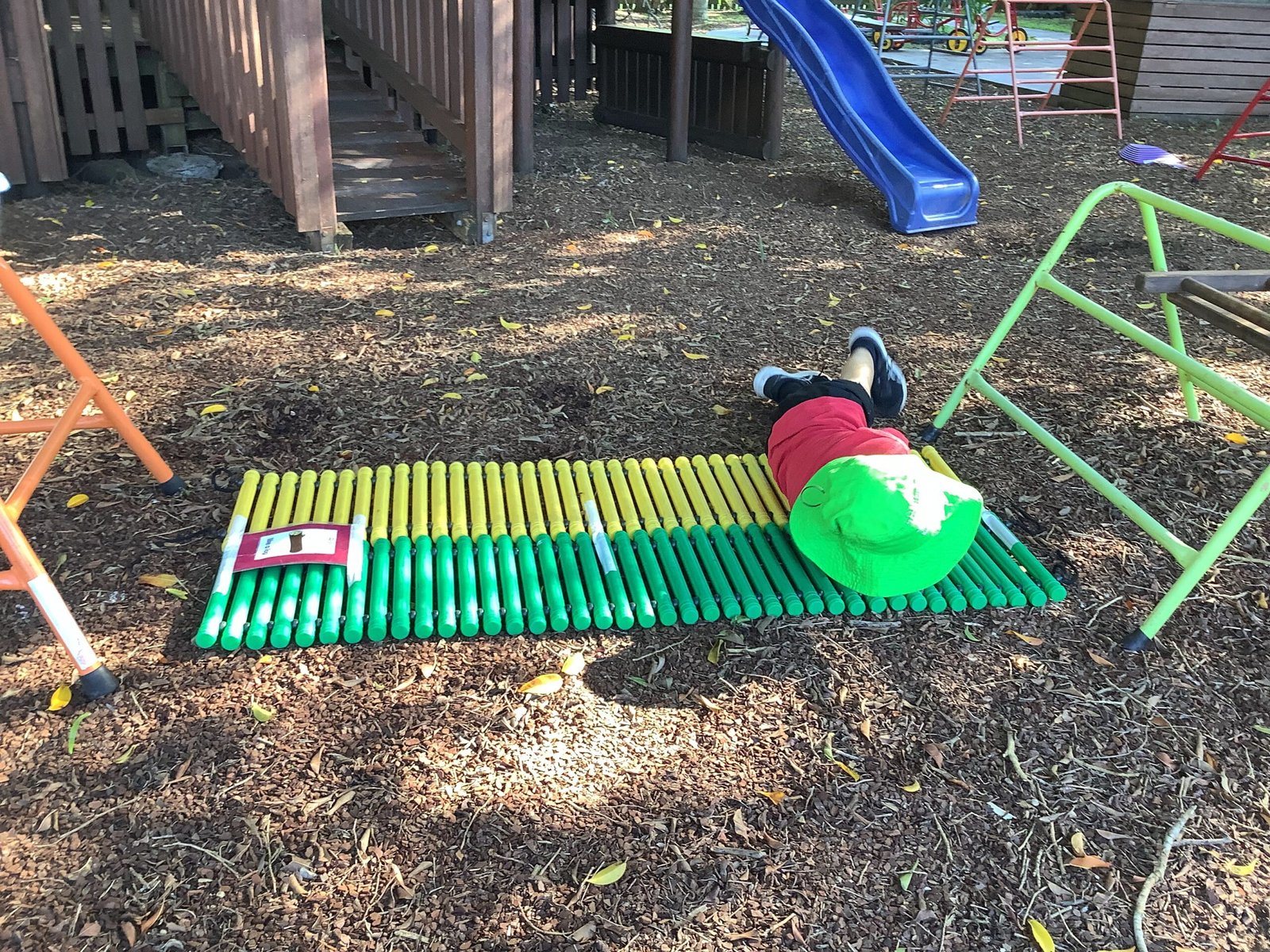
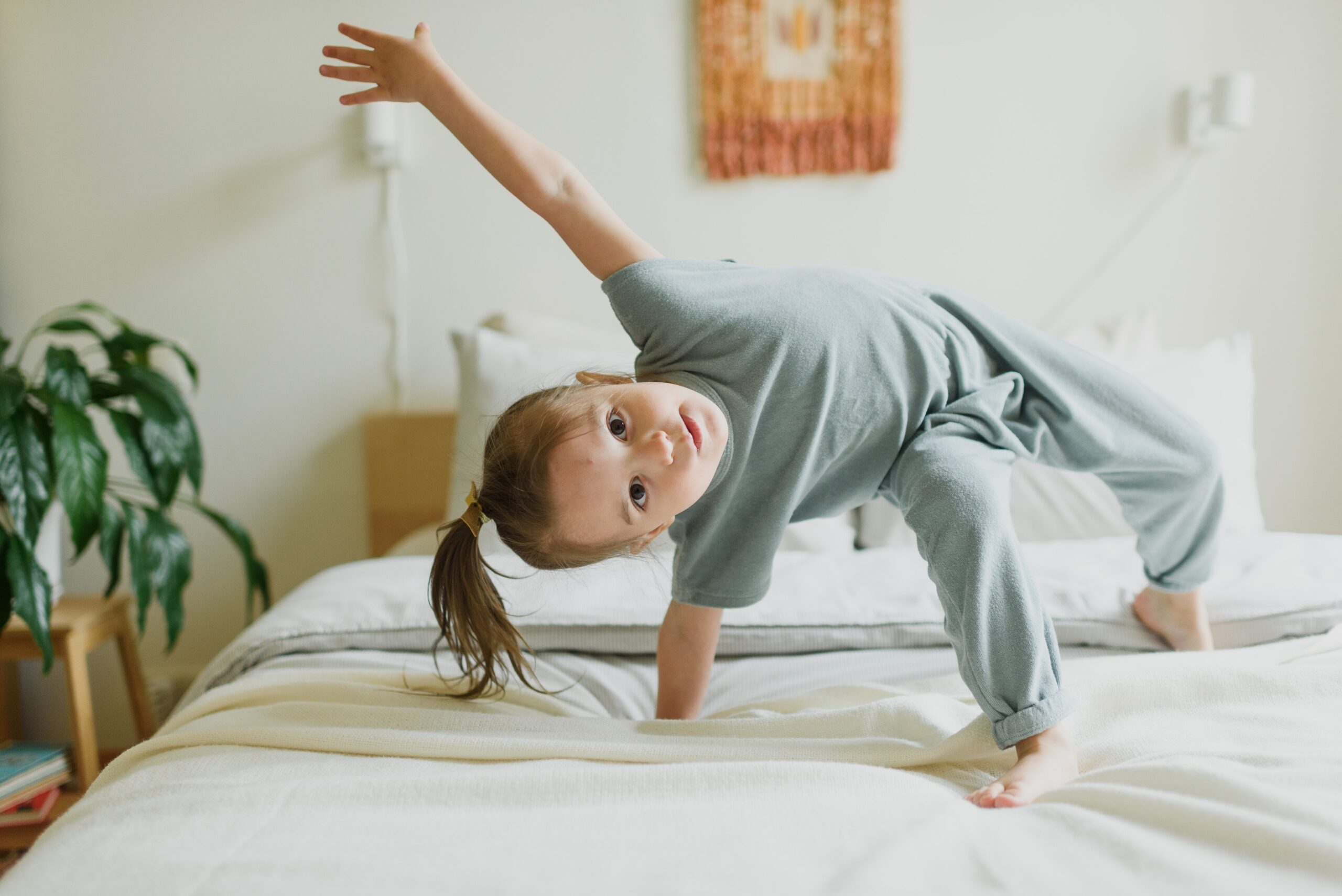
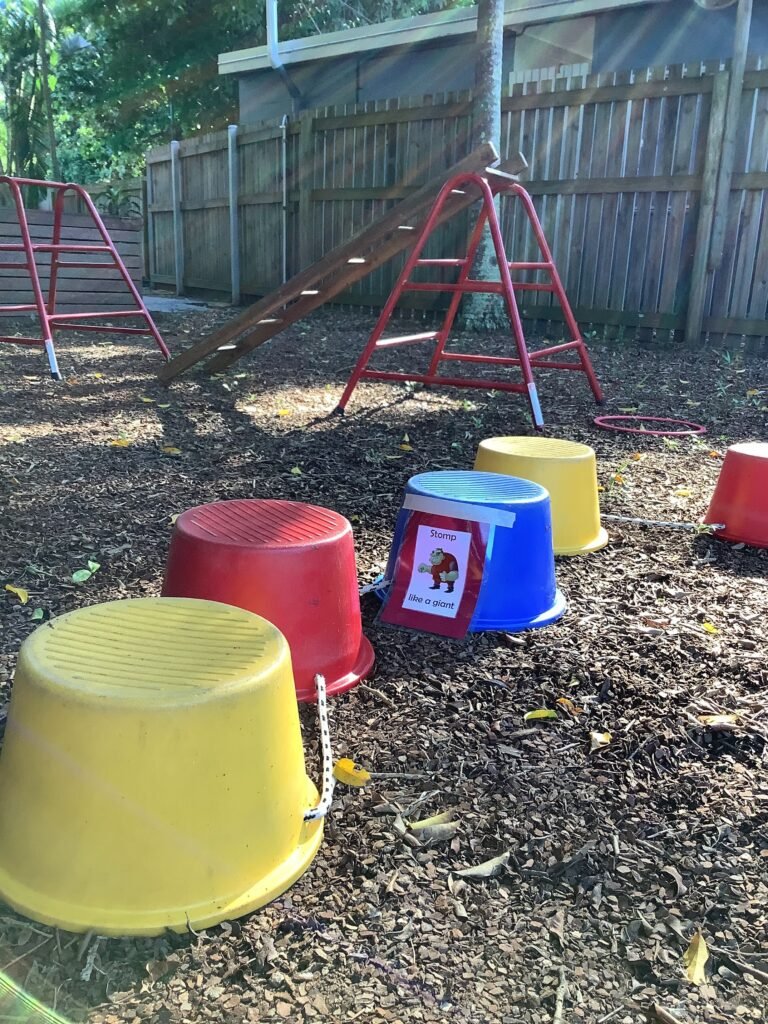
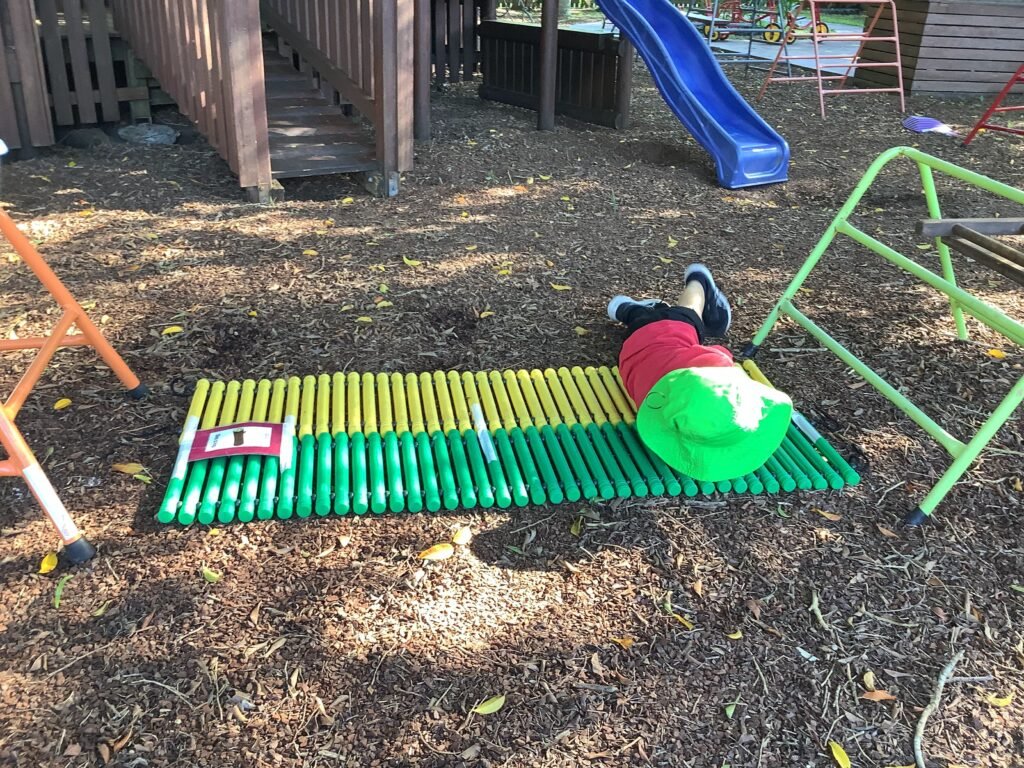
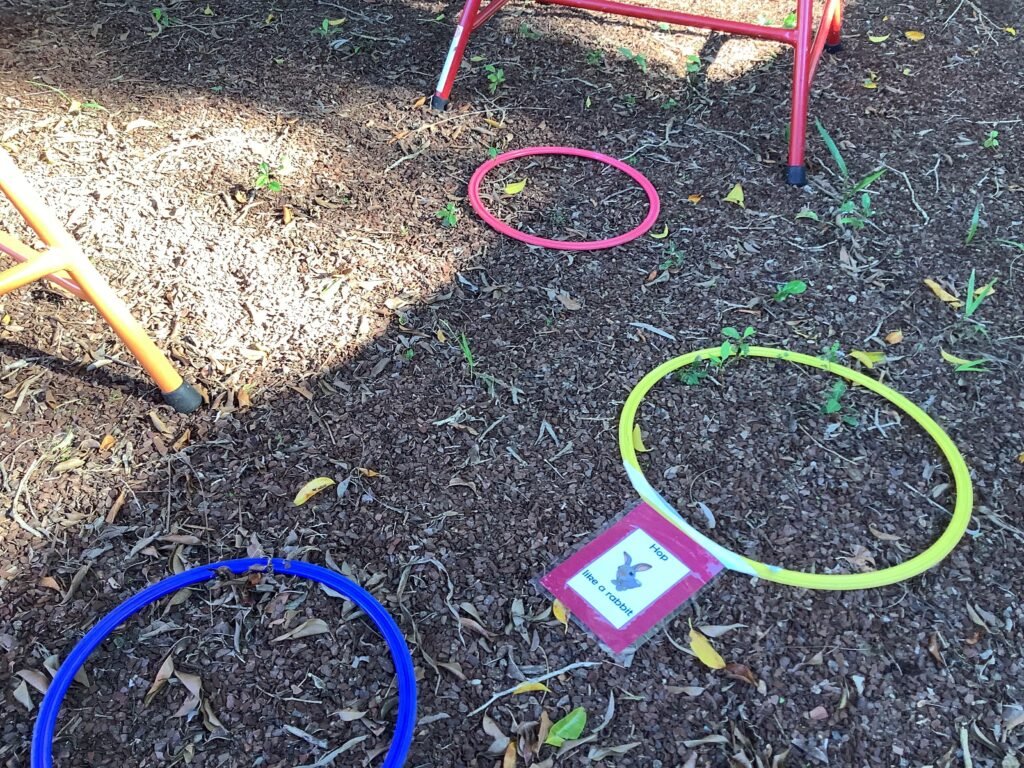
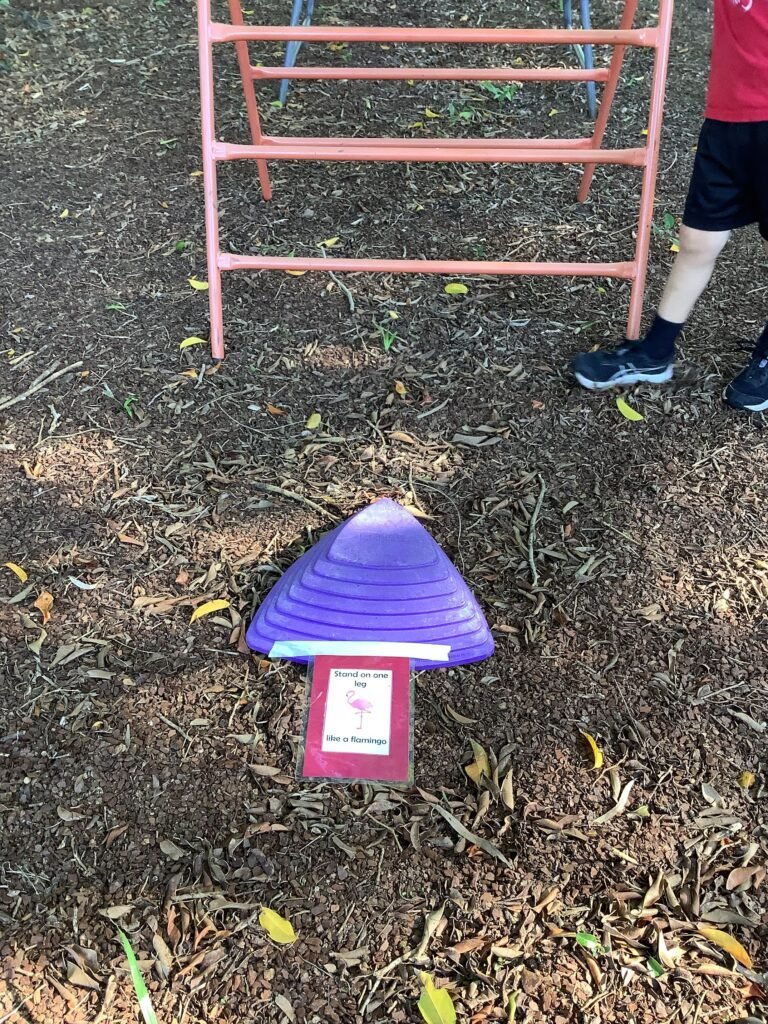
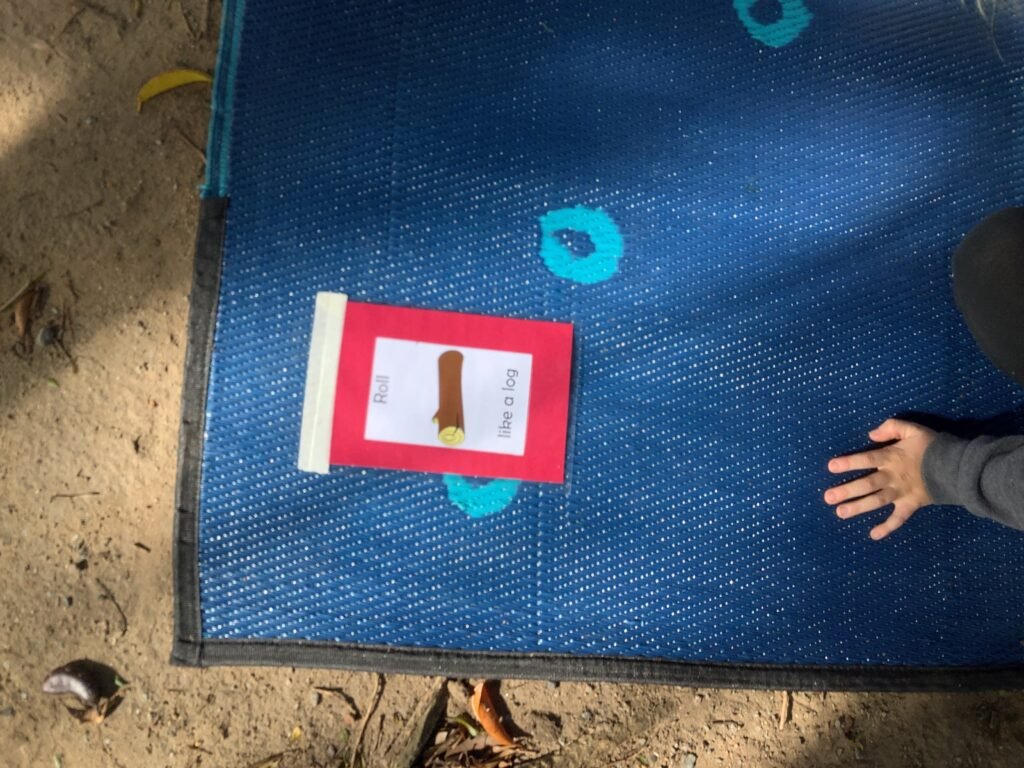
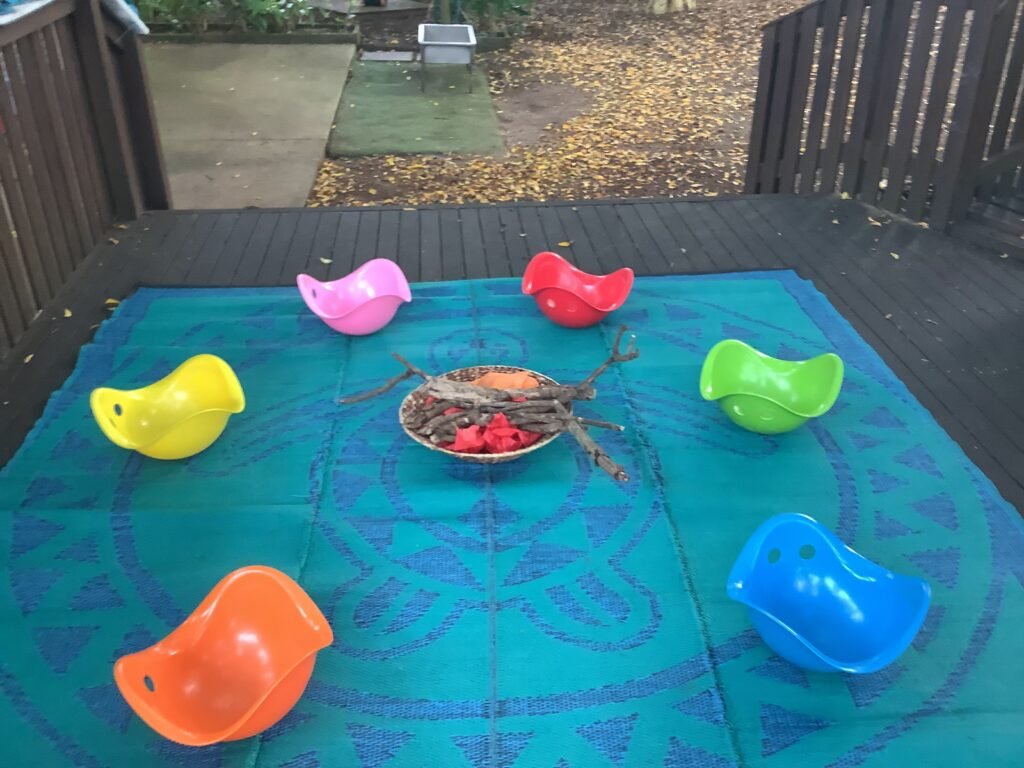
For example, instead of simply setting up the obstacle course, Dorisina began thinking about the movement skills her children weren’t getting elsewhere. By adding animal cards — hopping like rabbits, crawling like lizards, or jumping like kangaroos — she transformed everyday play into a purposeful neurodevelopmental workout.
“You can’t get that skill anywhere else except on the plank, jumping like that. Or going down low through hoops. So, when we put them out, we think about what skills they don’t have — and what they don’t get outside of kindy.”
From Outside to Inside: Building Self-Regulation Naturally
Another simple but powerful shift came during transitions. Every child now completes the obstacle course before coming inside — not as an extra activity, but as a bridge between unstructured play and focused learning.
“They’re really good at that now. They all want to be the leader, and off they go. And we notice who can wait, and who can’t – that’s just another little note in my head for later.”
This one adjustment supports executive function skills — waiting, turn-taking, and following instructions — while also meeting sensory and movement needs. Importantly, Dorisina doesn’t see this as adding more tasks to her workload; instead, it’s looking at what’s already there and tuning it with purpose.
The “Zoomy” Boy: A Case Study in Transformation
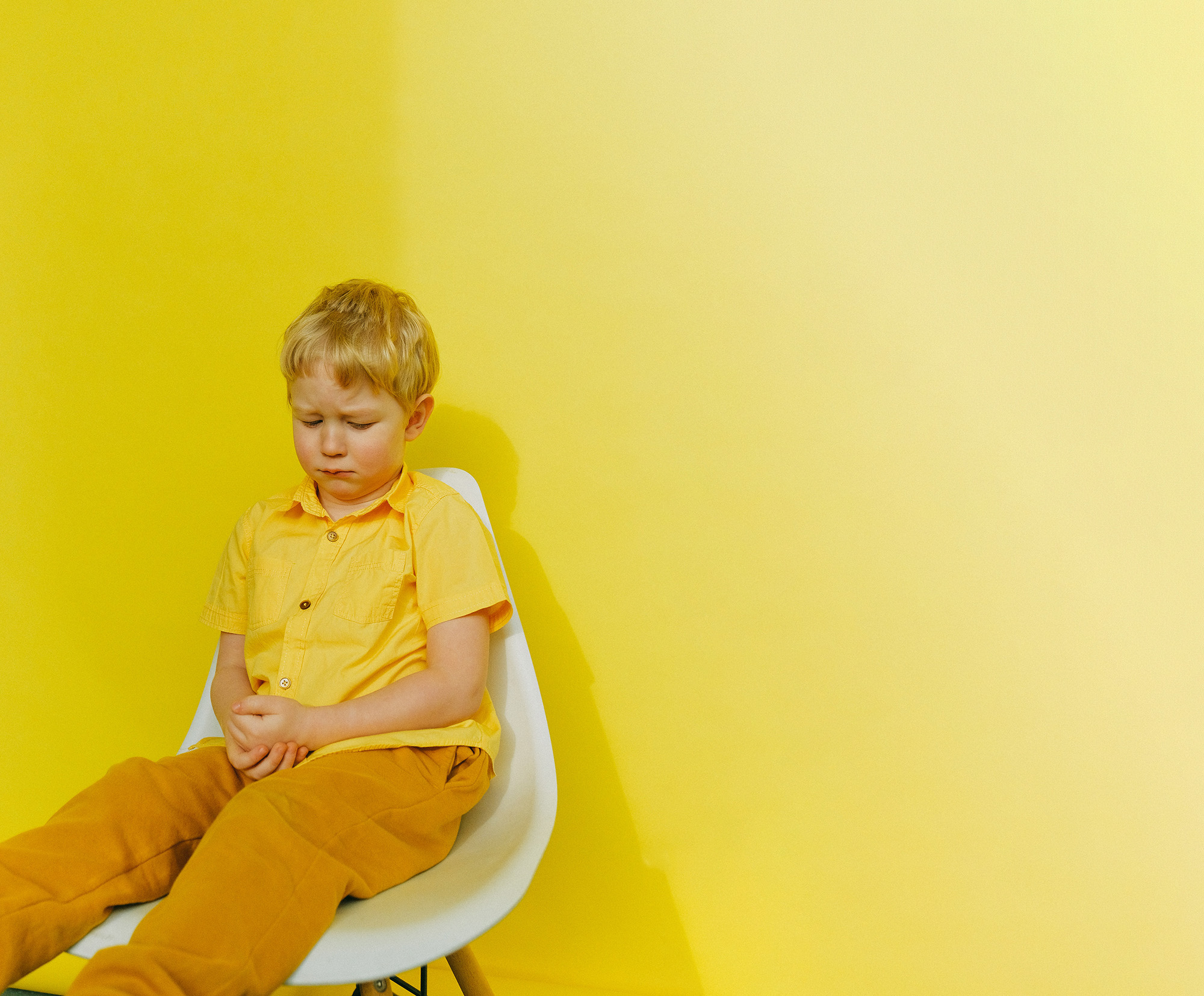
Among the children in Dorisina’s group was one very energetic little boy—always zooming around the room, full of ideas but struggling to organise his body and focus. He loved drawing but became frustrated when his pictures weren’t perfect, often scrunching them up and walking away in tears.
During Stage 2 of the Learning Connections professional development program, when trainers observed the children, something clicked for Dorisina:
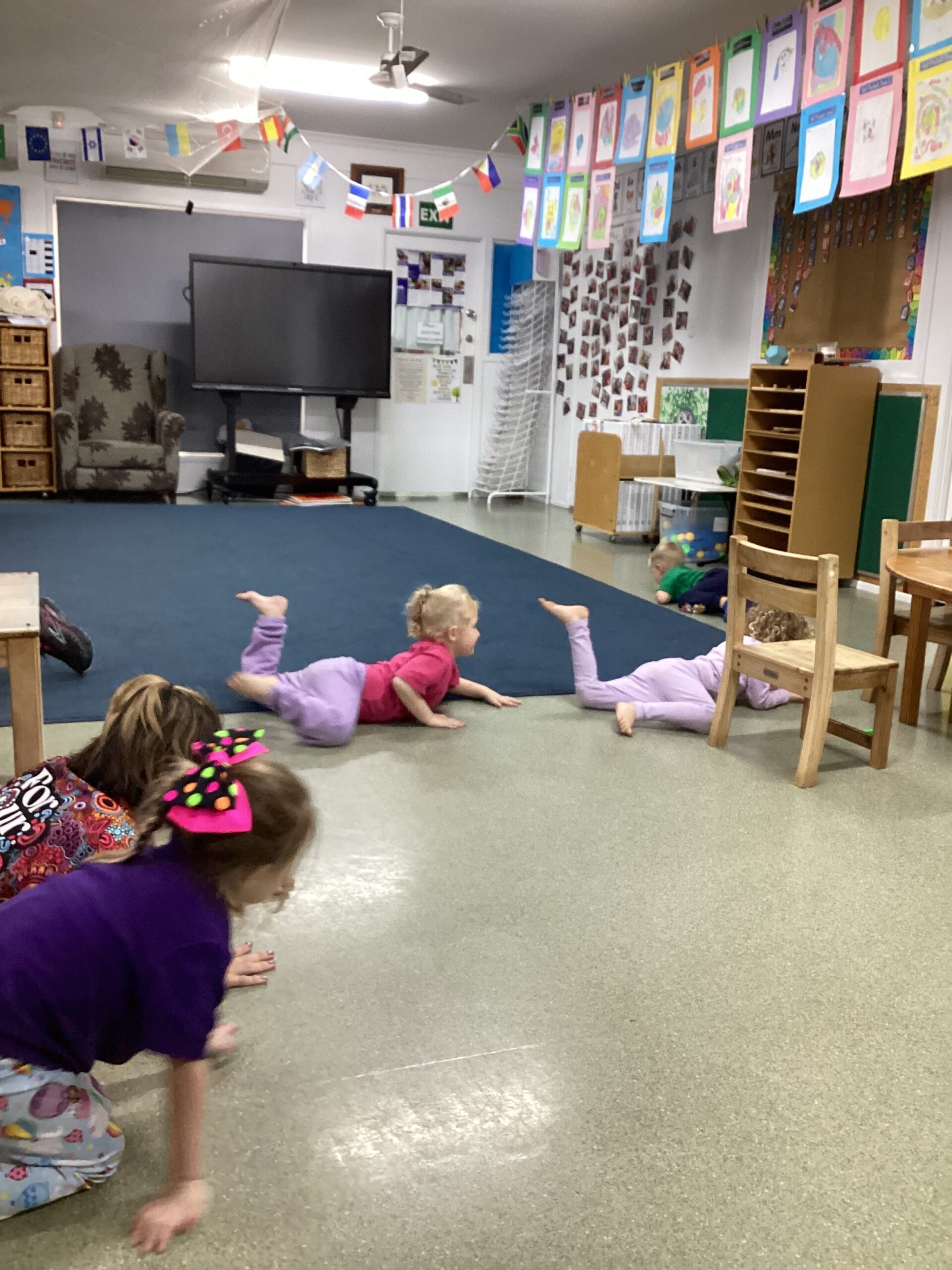
“When we did the creeping and sliding, his body was a tangle. Crawling was such a challenge for him. That was my ‘aha’ moment—I realised what he needed.”
Using the Learning Connections program, Dorisina was able to develop a focused strategy for this child:
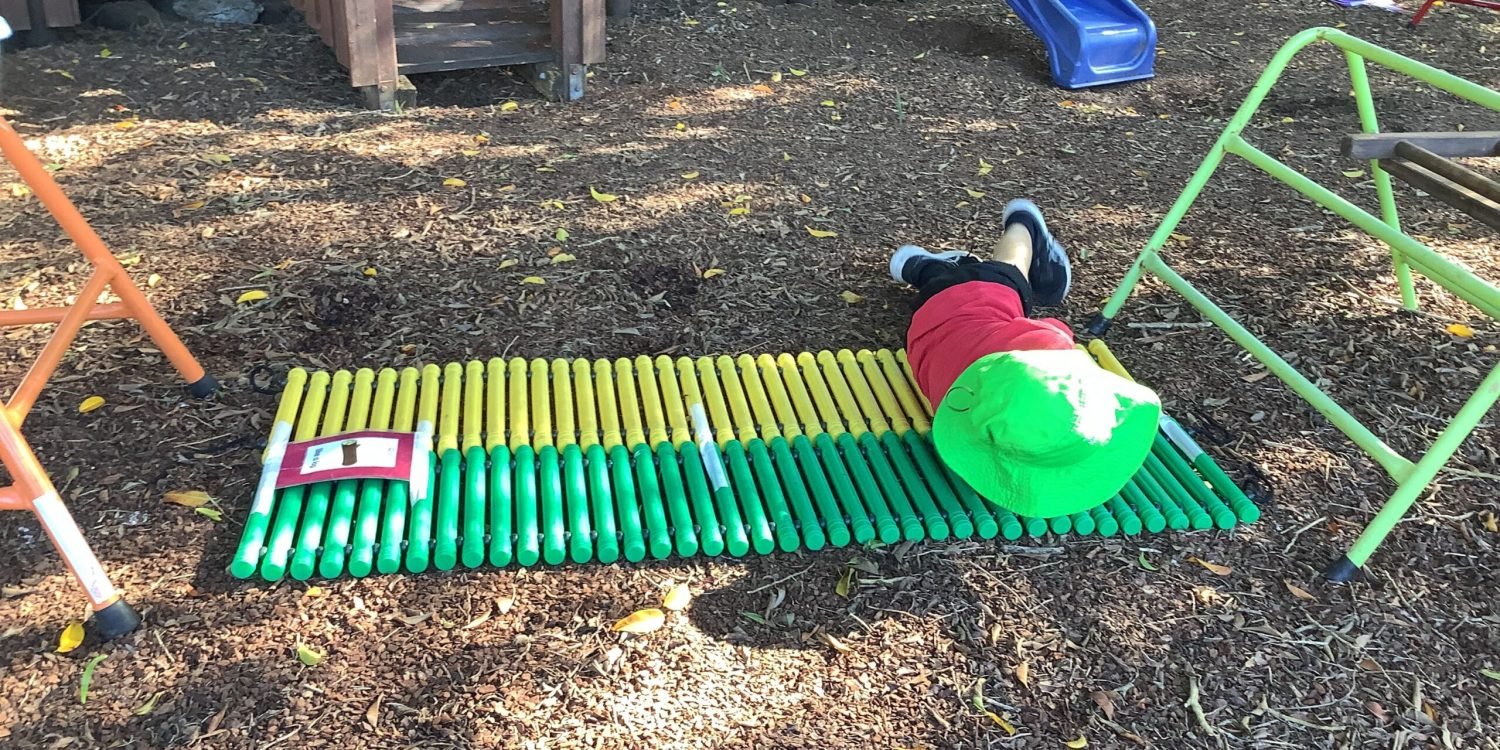
- Heavy Work & Floor Contact – Activities like log rolling, snakes, and crocodiles helped his body connect with the floor and provided calming sensory input.
- Slow & Intentional Movements – Creeping and crawling across mats forced him to stop, think, and focus on his actions.
- Executive Function Practice – Group activities taught him to filter out distractions, follow instructions, and stay present in the moment.
The Outcome – A Good Enough Guinea Pig
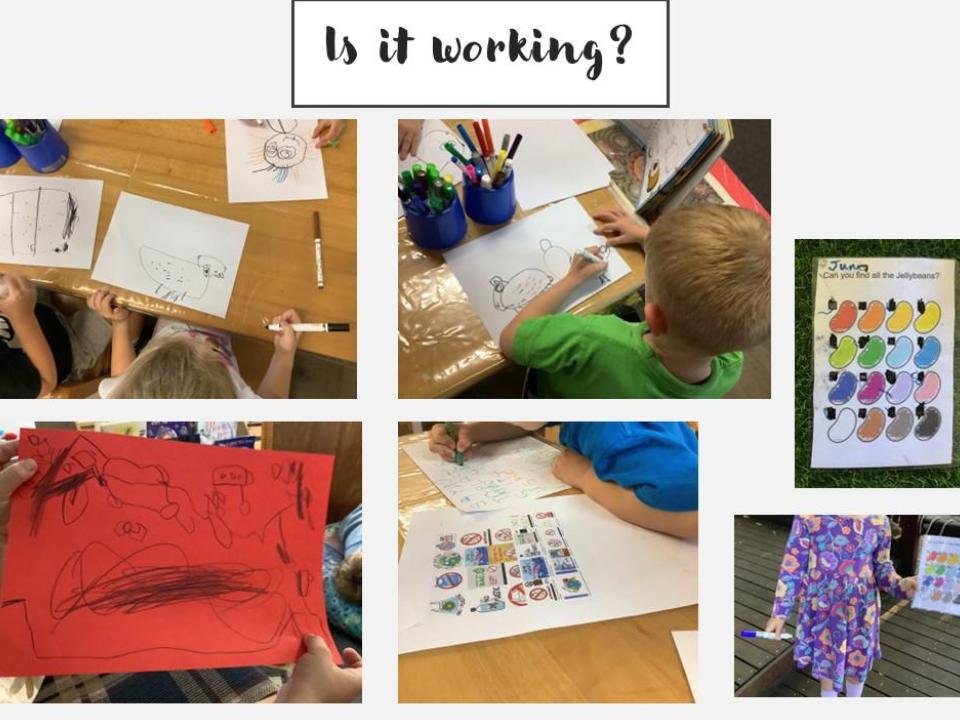
Weeks later, Dorisina watched him quietly sketching a guinea pig. This time, when his drawing wasn’t perfect, he didn’t get upset. He used a step-by-step drawing guide and proudly said:
“Look what I did!”
For Dorisina, this was more than a drawing. It was a transformation.
By deliberately incorporating activities that gave his body the deep sensory input and movement it craved, the “zoomy” boy became calmer, more focused, and more ready to learn. What once felt like managing behaviours became an opportunity to meet his neurodevelopmental needs.
A Calmer, Happier Classroom
The impact of the Learning Connections Program went beyond one child—it transformed the whole group. Dorisina noticed that on days they didn’t do the movement activities, the children were:
- More unsettled
- Easily distracted
- Less able to focus on tasks
But when they did include the movements, the difference was immediate:
“Doing these little exercises doesn’t take long, but the change is huge. The children settle, concentrate, and are happier. And the best part—it’s fun.”
Why It Works: The Learning Connections Approach
What makes Dorisina’s story so inspiring is that the program didn’t require rewriting her program or creating extra activities. Instead, she used the Learning Connections framework to create responsive:
- Strategic Movement Activities – Dorisina chose movements that supported the children’s needs, whether they needed grounding, calming, or stimulation.
- Group-Based Learning – Instead of isolating struggling children, the activities were woven into the group experience, helping everyone practice focus, coordination, and listening.
This approach allowed her to:
- Integrate movement into existing routines
- Build foundational sensory and motor skills
- Support emotional regulation and attention
- Give teachers tools to respond in the moment
The result? A classroom where children are calmer, more confident, and ready to engage — and where educators feel empowered rather than overwhelmed.
The Take Away – Small Shifts, Big Changes
Dorisina’s experience shows that embedding Learning Connections into the kindergarten day doesn’t mean starting from scratch. It’s about adding purpose to what you’re already doing and using simple, evidence-based strategies to support children’s self-regulation, learning readiness, and overall well-being.
By using the Learning Connections approach, little adjustments can change the trajectory of a child’s learning journey – sometimes all it takes is adding an animal card to an obstacle course, or tummy movements in group time or noticing how a child draws at the table.
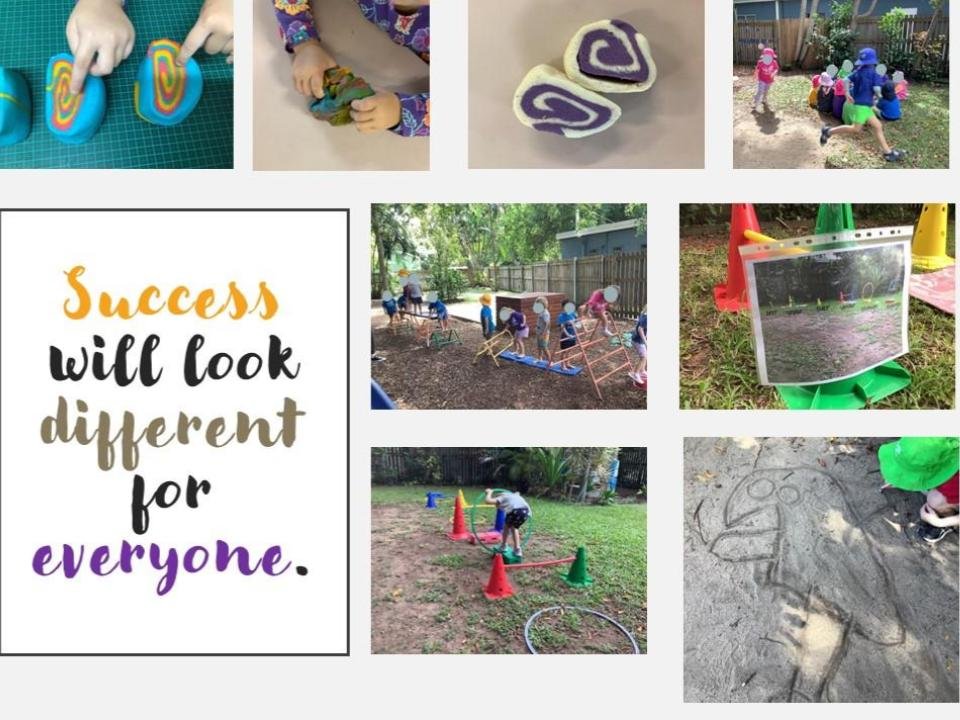
Congratulations Dorisina Penola of Lady Gowrie Bucasia Community Kindergarten
Congratulations to Dorisina and Lady Gowrie Bucasia Community Kindergarten for this transformative application of the Early Years Program. This story is a testament to the power of movement and play based learning within early childhood development and education.
Want to get involved?
For more information about the Early Years Program give Dianne Boyd a no-obligation call on 0414 264 758 to discuss your needs.
Dianne Boyd
M. 0414 264 758
E. dianne@learningconnections.com.au
W. learningconnections.com.au